• Skip to primary navigation
  • Skip to main content

Panocular

  • Home
  • Illustrations
  • About
  • Show Search
Hide Search

hieronymus

Case: Civilian killing in Zif, West Bank

Zif, West Bank
Civilian Casualty
[31.470827]
[35.132472]

Date of incident:
Oct 30th, 2023
11:42 LT*

A young Palestinian and unarmed man named Fouad was shot and killed near the south of Hebron in the late morning of October 30th. 

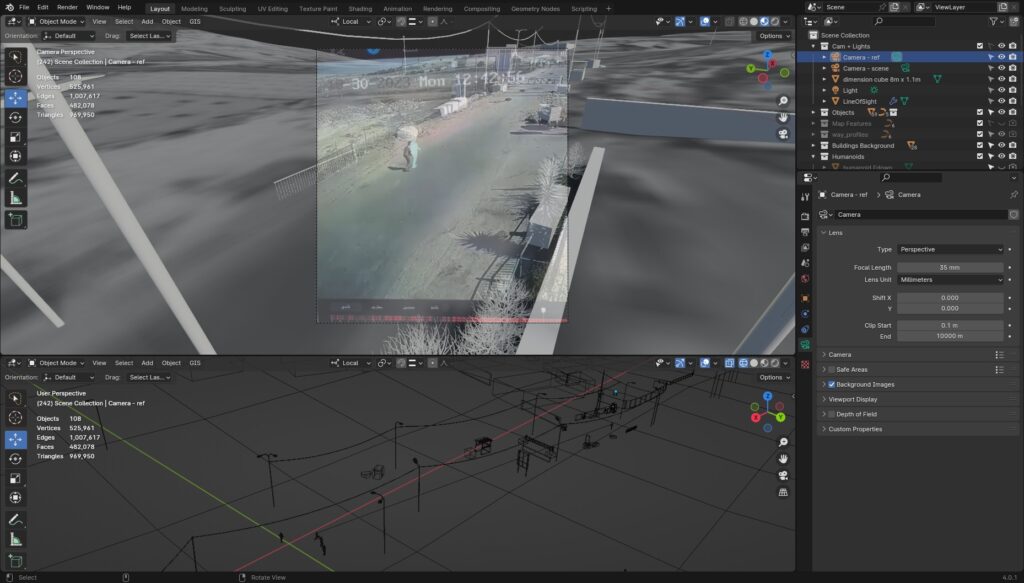
According to testimony, he remained behind a retreating group of villagers who were confronted by a group of Israeli military or settlers, as judged by their uniforms. In the CCTV video, he can be seen throwing stones at this group which was around the nearby intersection about 80 meters away, an insufficient distance to pose a threat to them.

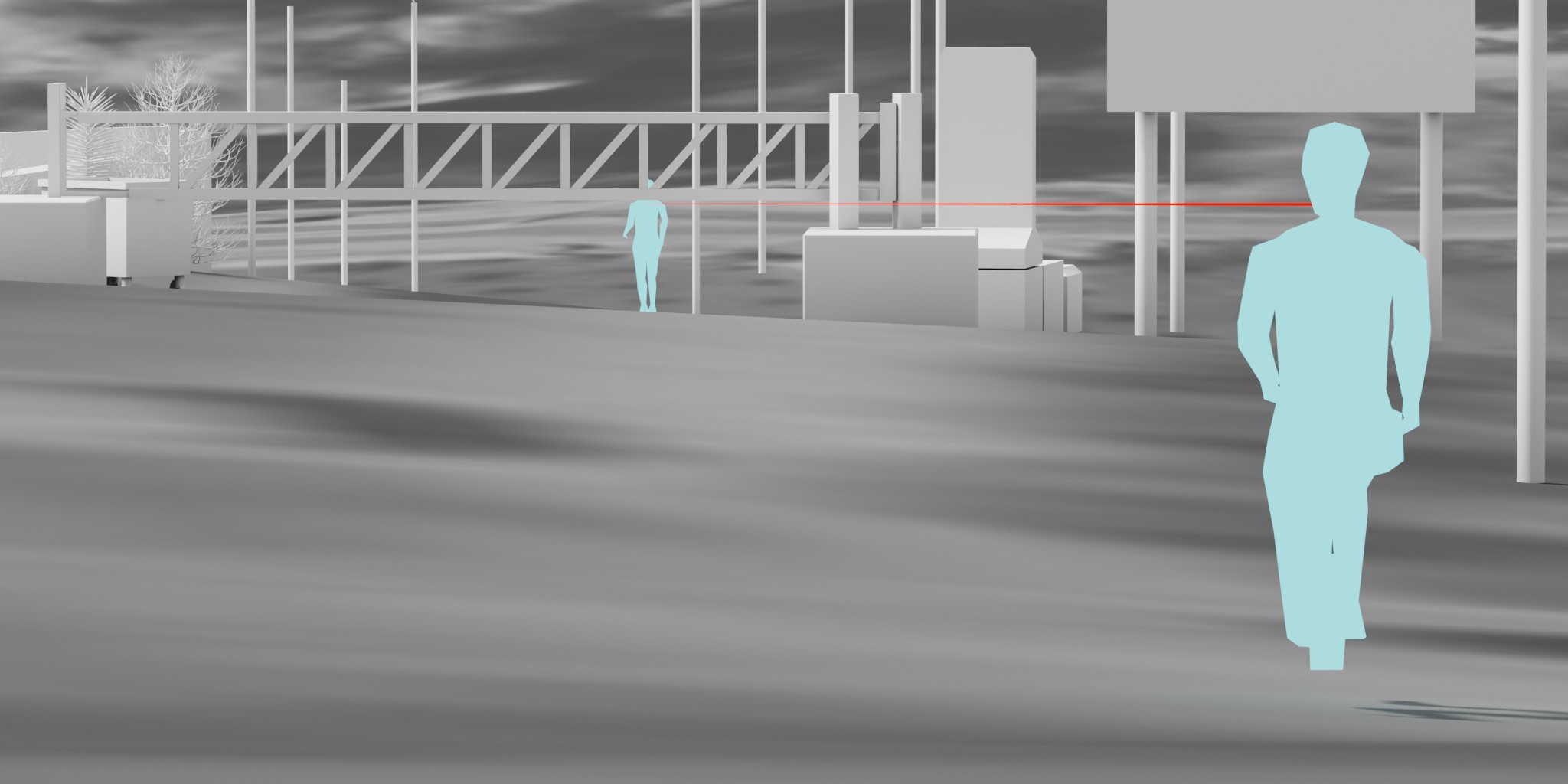
Moments before the young man collapsed to the ground, a person in the top right corner of the CCTV video can be observed kneeling in line of sight with Fouad. According to testimony, Fouad was shot in the neck shortly after and died instantly. Subsequently, the distant person in the video can be seen standing and walking away.
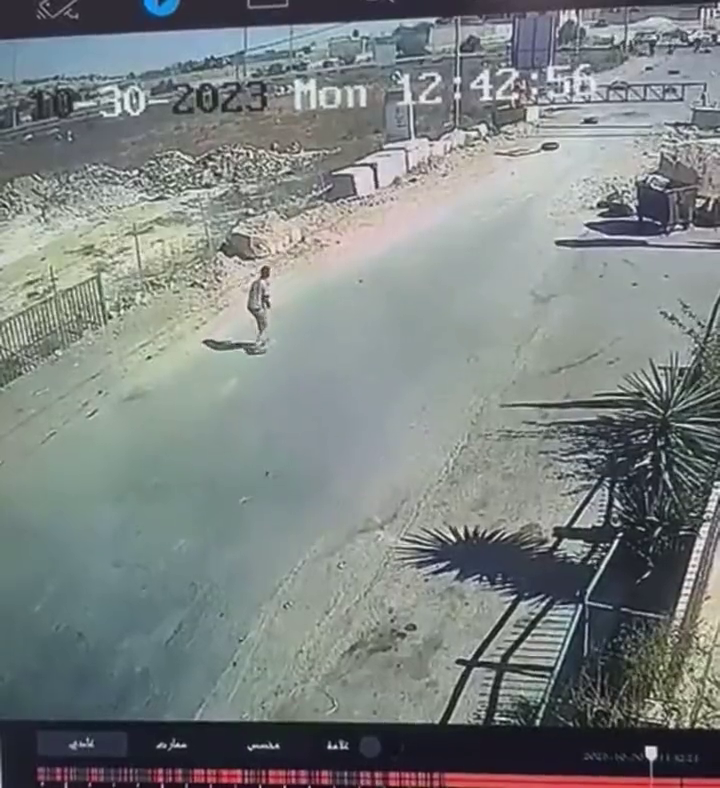
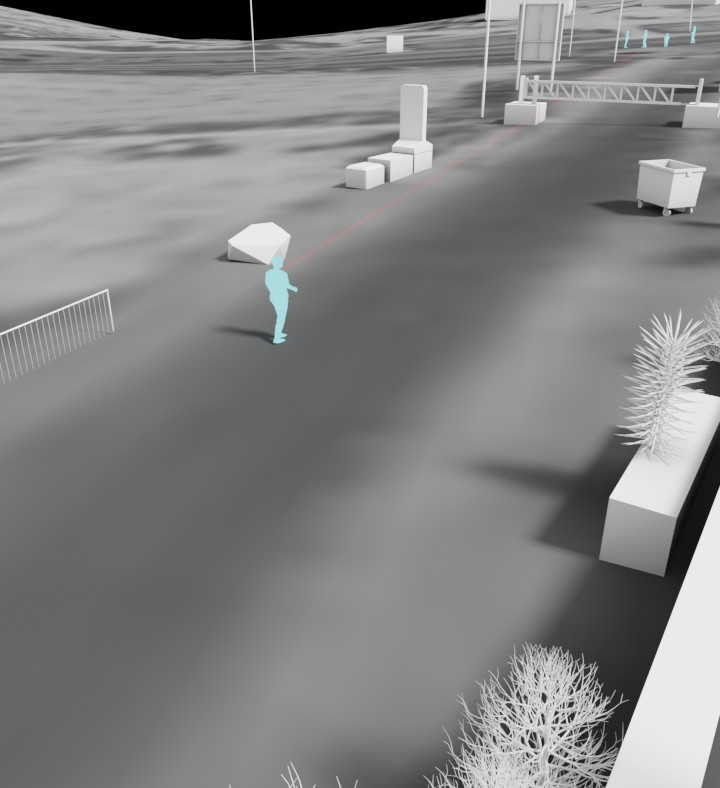
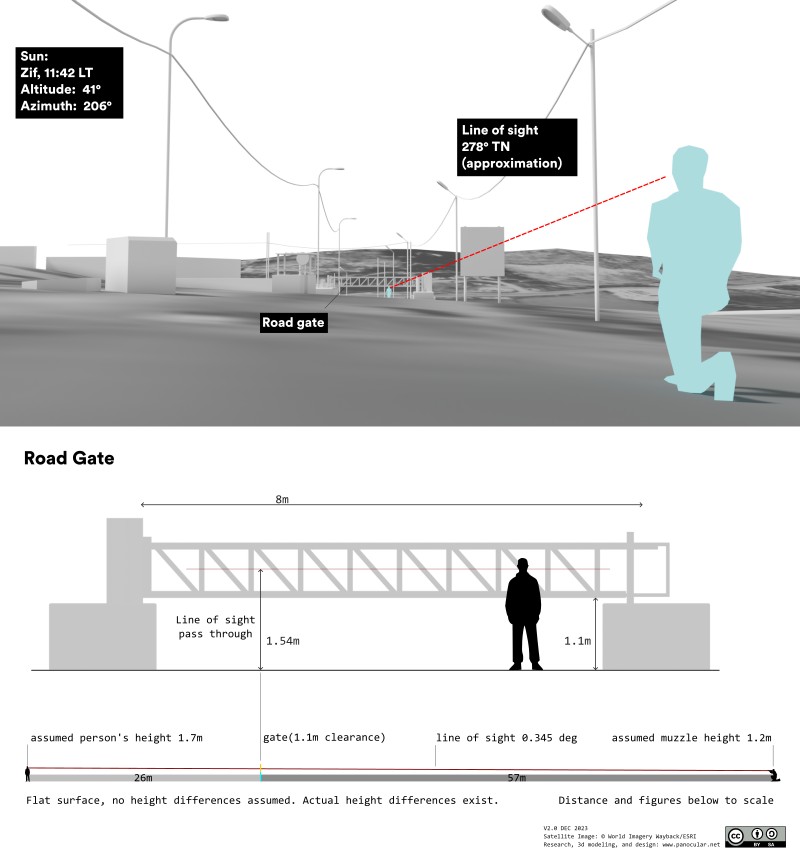
If the person in the distance was the shooter, they would have been separated about 83 meters apart. Assuming a flat surface, the line of fire would pass through the road gate at a height of 1.54 meters. Actual ground surface conditions differ however, and the actual line of fire may have been situated well under the gate.
Zif village is located on a hill to the East of Yatta at an elevation of 830 meters above sea level, inside the West Bank. Access to the village is controlled by Israel through a gated checkpoint, a type commonly installed around multiple areas within the West Bank. The gate was closed around the time of the incident. Measurement on satellite images reveals a distance of approximately 84 meters between the location where Fouad was shot and the location of the Israeli group. A report by Channel 4 News confirms the presence of a group of Israeli soldiers or other uniformed men and vehicles around the intersection minutes after the fatal incident. 

As far as the author is aware, no forensic evidence is available at the time of writing. However, this document will be updated whenever new key information becomes available.

It’s important to note that this incident is part of a larger historical conflict in this geographical area, with many incidents passing unbeknownst to the public and others well documented via social media.

*the CCTV clock seen in the footage wasn’t updated after switching back from daylight saving time that weekend.
Click here for the report in pdf format.
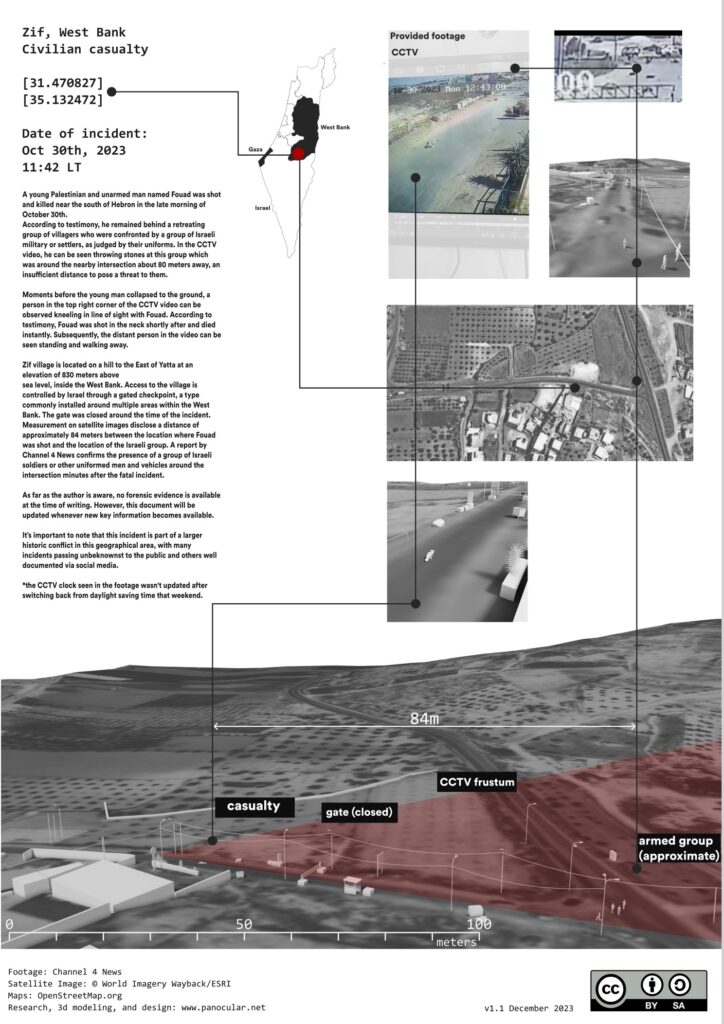
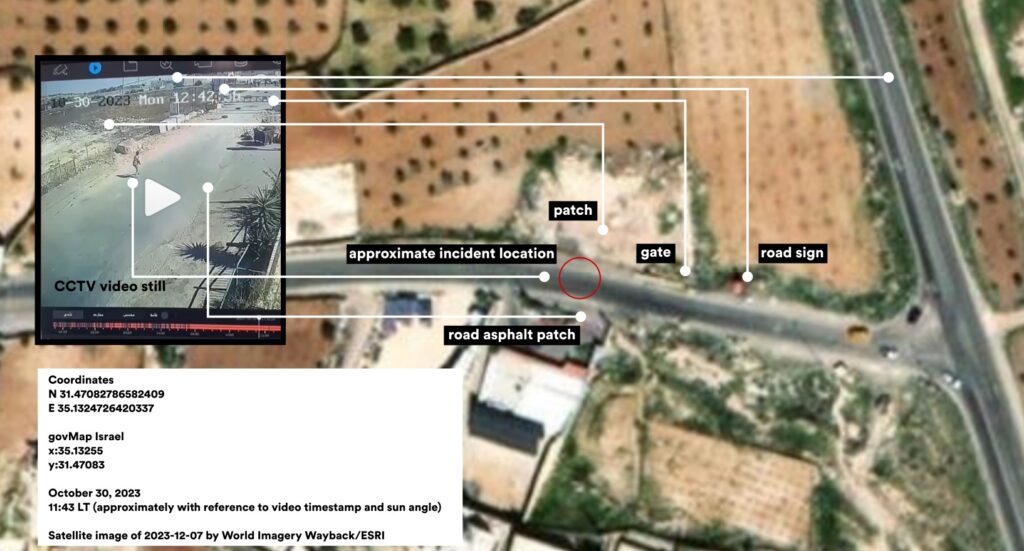
Geolocation reference

Below is a social media post shared by Channel 4 News, covering the incident within a broader context.

Fouad Abu Sabha was shot dead in the West Bank. Channel 4 News was at the scene moments after he was killed.

Using our exclusive footage from the day, CCTV and eyewitness testimony, we piece together a minute-by-minute account of Fouad’s last moments. @mattfrei reports. pic.twitter.com/40YdBldhex

— Channel 4 News (@Channel4News) November 9, 2023

Acknowledgments and Copyrights

Channel 4 news
ESRI World Imagery Wayback
Google Maps
OpenStreetMap
Mapillary

www.channel4.com/
https://livingatlas.arcgis.co/wayback/
https://www.google.com/maps
https://www.openstreetmap.org
https://www.mapillary.com/
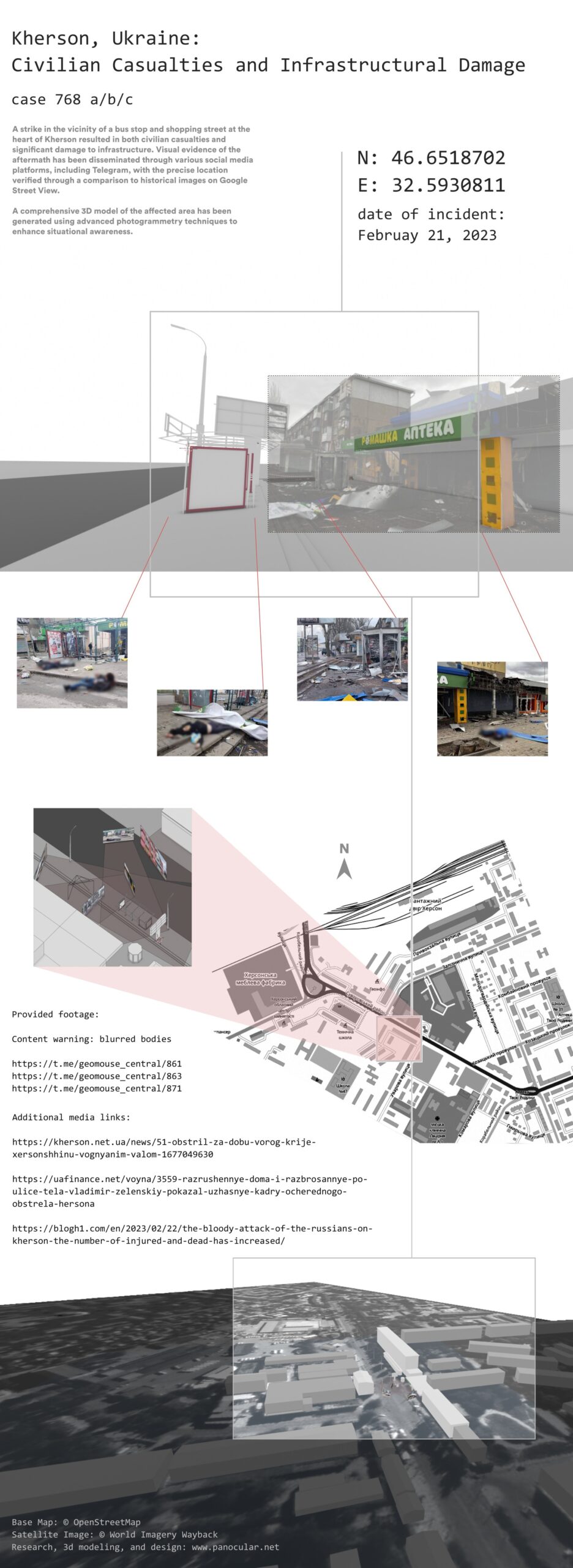
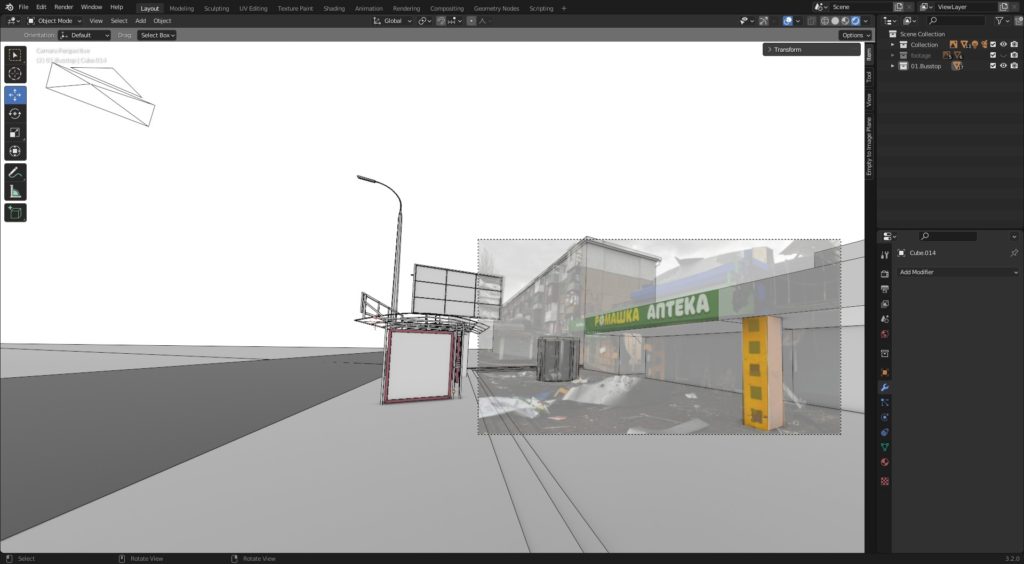
Case 768: Shelling of a residential area in Kherson.

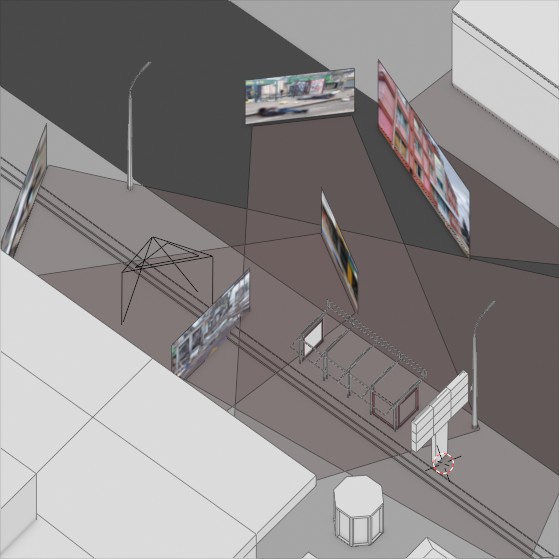
Another OSINT case from Ukraine where a strike during early 2023 caused civilian casualties and infrastructural damage. To support the provided footage, I built a 3d model of the local scene and linked the location to a map.
A pdf version can be downloaded here.

Case 637: Shelling of a residential area in Polohy.

Polohy
Пологи
Zaporizhia Oblast
Ukraine

[N: 47.46704]

[E: 36.26947]

A pdf version can be downloaded here.
Provided footage content warning: bodies of deceased persons.

https://t.me/geomouse_central/324

https://t.me/geomouse_central/328

Preface

The geopolitical conflict between Ukraine and Russia has resulted in numerous incident sites, often of civilian character, with many of these incidents recorded as they happen or in the aftermath. This handheld footage ends up on various social media channels and other outlets. Some of this footage is collected and hosted on a dedicated Telegram channel linked to a spreadsheet containing information for each incident such as media source, description, and the date posted. A group of volunteers collects, curates, and attempts to pinpoint the geographical coordinates of these incidents. Once the location of an event is found, the spreadsheet is updated accordingly. Organizations like the ‘Centre for Information Resilience’(1) maintain a publicly available online map built upon this geographical data(2). Finding and publishing the geographical location is a critical step in the process of investigative journalism. Moreover, it empowers citizens, journalists, and researchers around the world to stay informed about the events unfolding in the conflict.

Provided footage

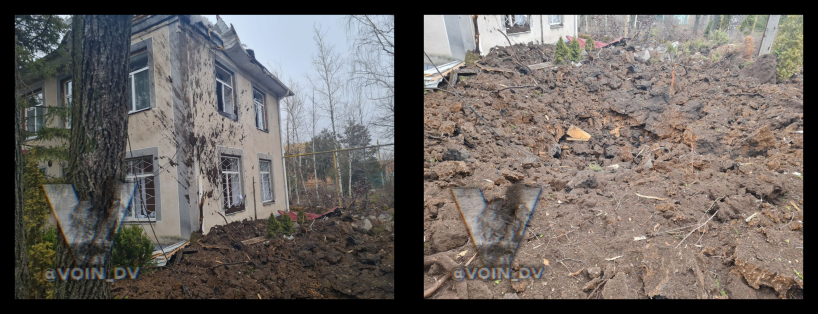
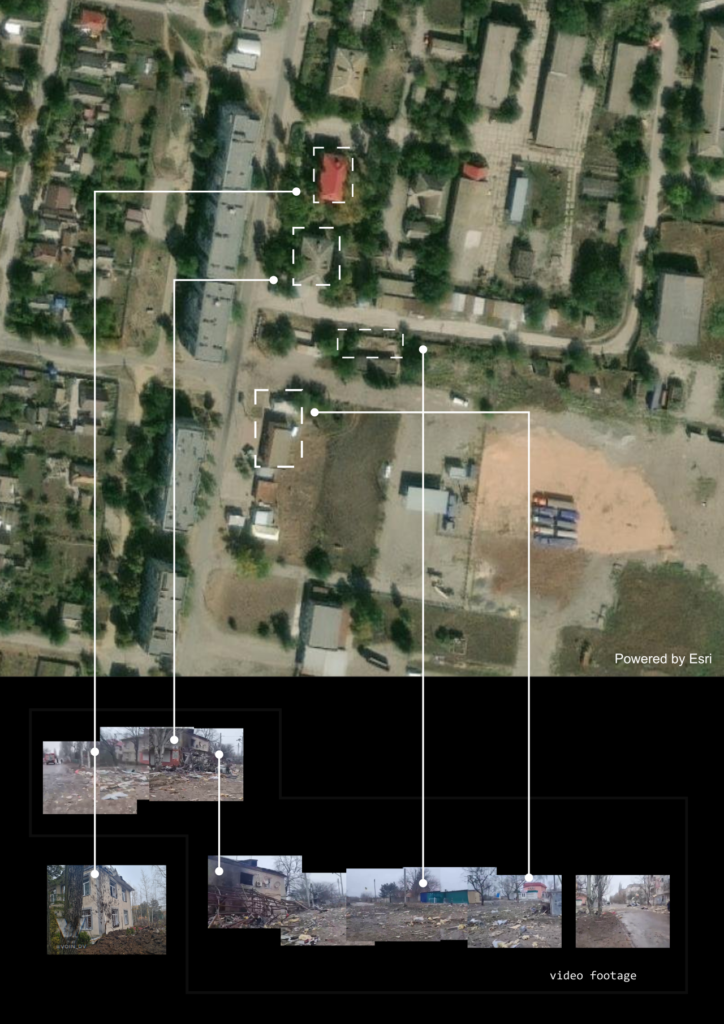
The current case originated from three images and a video shared in a private Telegram channel but forwarded to a public one(3). The scene appears to be of an urban neighborhood with at least two damaged buildings. On a nearby road, three bodies are laid on top of stretchers but were not there at the time the other pictures were taken. According to different media outlets, five people were killed during this incident that happened on January 14th, 2023. Debris is covering the area and is seen hanging on branches of trees. The red rooftop of one of the buildings is a prominent feature visible in both photograph and color satellite imagery when zoomed in on the area. A video of the same street corner and adjacent buildings further supports visual evidence of the aftermath of the incident.

The geographical location of the incident was found via translating the caption of the footage and a quick online satellite map lookup(4):

“орки сьогодні обстріляли Пологи та вбили чотирьох людей. Ще 5 отримали важкі поранення.”

(translation: “Orcs shelled Podoga today and killed four people. Another 5 were seriously injured.”)

“Последствия вчерашнего обстрела города Пологи (Запорожская область)”

 (translation: “Consequences of yesterday’s shelling of the city of Pology (Zaporizhia region).”)

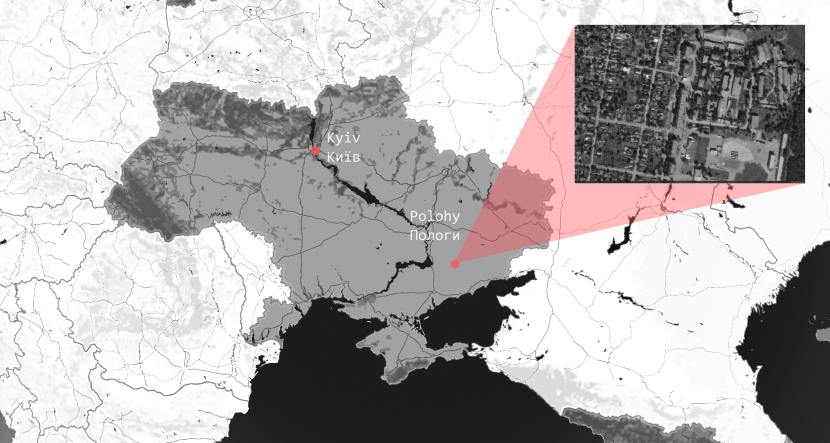
The city of Polohy (Пологи) is situated in the Zaphorizhia region, in the southeastern part of Ukraine. The area can be quickly identified when zooming in on satellite imagery. The location of the road intersection serves as the geographical reference point at latitude:47.46704, longitude:36.26947.


View Larger Map

The images in the figure below were found on other channels and media platforms via reverse image search on Yandex, for example. Unfortunately, there wasn’t a very diverse collection of footage available. A few platforms are hosting duplicate images but only one source had more details about the building featuring a red roof, as seen in the background in one of the first images.
It also appears that different media channels are pointing fingers at the opposing country as the perpetrators of the shelling.

Satellite view and location
Pinpointing the location of the incident was relatively straightforward. Entering the name of Polohy in almost any satellite imagery platform such as Google Maps or Arcgis’ ‘World Imagery Wayback’ immediately provides clear visuals of the layout of the neighborhood, allowing for accurate identification of the affected area.


The satellite imagery was instrumental in providing a broader context of the incident site, illustrating the neighborhood’s proximity to key infrastructure, roads, and other significant landmarks. Further examination of the images revealed the distinct architectural styles and patterns of the residential area, which were crucial for the subsequent 3D modeling and spatial reconstruction.

Spatial Reconstruction
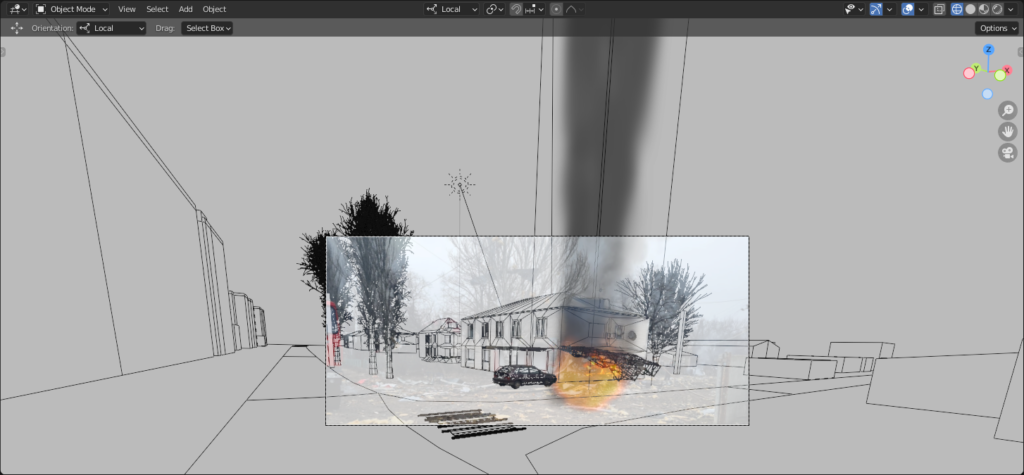
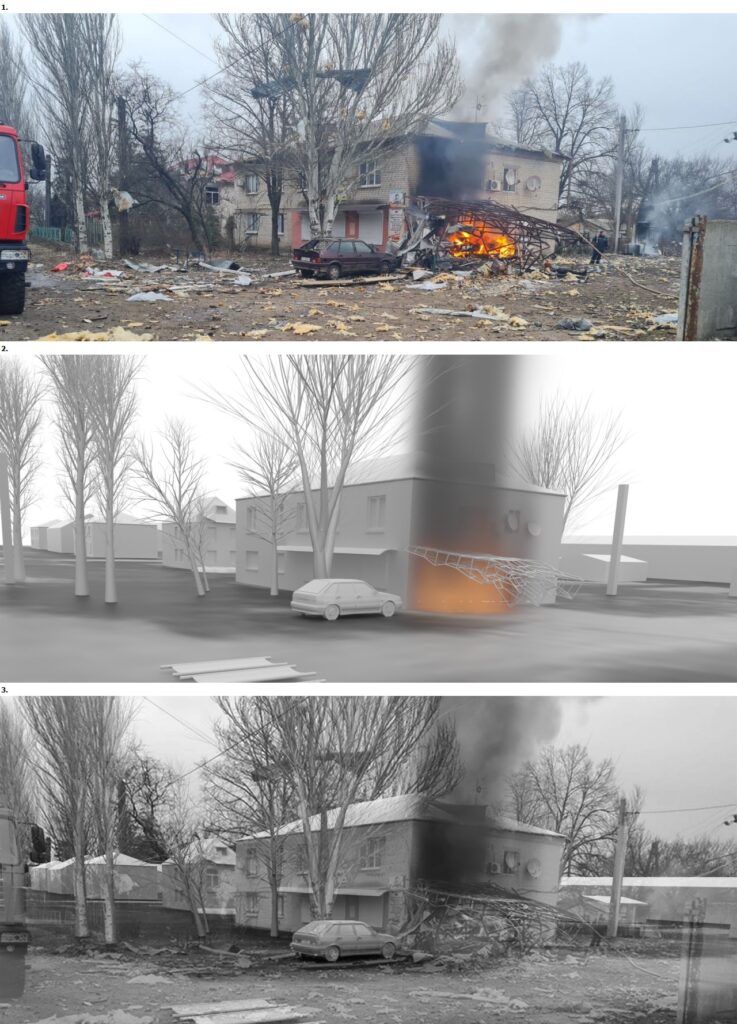
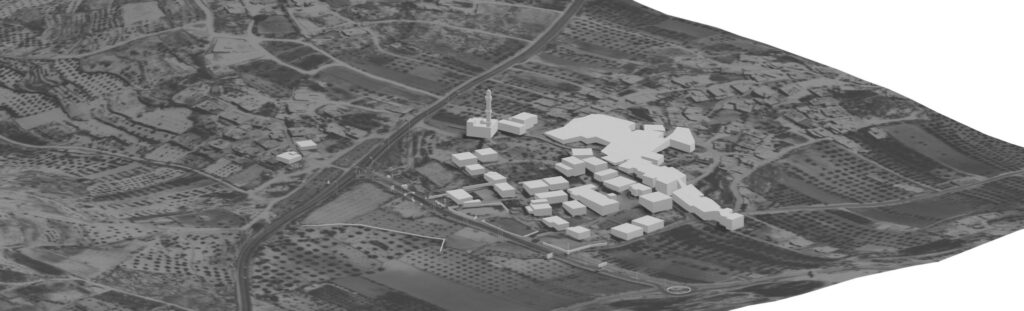
The building in the footage served as a key reference point in the photogrammetry process, with its identifiable features allowing for the creation of a 3D model of the building and details of the surrounding area. The architectural layout of the area was primarily based on the satellite imagery of Polohy, supplemented by photographs and videos from the incident site. Key identifiable features from both the satellite imagery and ground-level photographs were aligned to position each element within the 3D model.

By aligning identifiable features captured in the footage with those in the 3D model, it was possible to pinpoint the location from which the video and images were taken. 

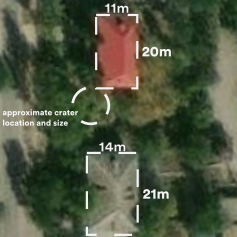
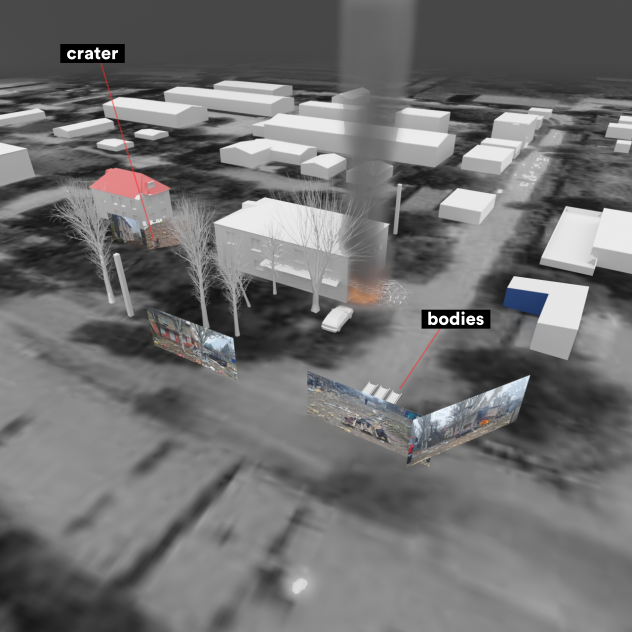
By measuring the dimensions of the two corner buildings in the satellite image and knowing the dimensions of the parked car, it was possible to establish a reference scale for the 3D model. Applying this reference, it was estimated that the crater resulting from the incident has a diameter of approximately 9 to 11 meters.

Conclusion
While the main purpose of this report is to highlight the geographical location of the incident in Polohy (in fact, one of several), it is important to remember the human impact of these incidents. Behind each geolocated incident are individuals and communities affected by the conflict. The physical damage depicted in these images is a striking reminder of the human toll and psychological trauma inflicted on the inhabitants of these regions. As we continue to collect, curate, and examine such data, it is our collective responsibility to advocate for peace, justice, and the safeguarding of human rights.

Acknowledgments and Copyrights

  1. CIR Centre for Information Resilience https://www.info-res.org/faq
  2. www.Eyesonrussia.org
  3. Links to Telegram channel footage. Content warning: deceased persons visible.      https://t.me/geomouse_central/324, https://t.me/geomouse_central/328
  4. ESRI World Imagery Wayback https://livingatlas.arcgis.com/wayback

ESRI World Imagery Wayback https://livingatlas.arcgis.com/wayback/

Google Maps https://www.google.com/maps

Google Translate https://translate.google.com/

Mapbox https://www.mapbox.com/ 

OpenStreetMap https://www.openstreetmap.org

Qgis https://www.qgis.org

Yandex images https://yandex.com/images/Report http://panocular.net

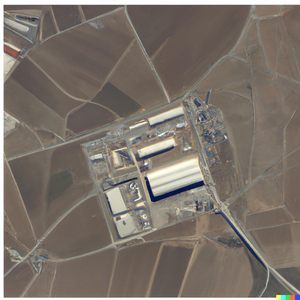
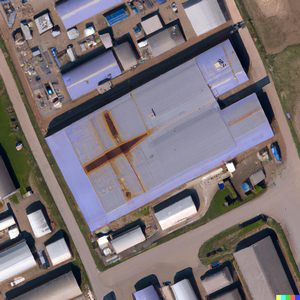
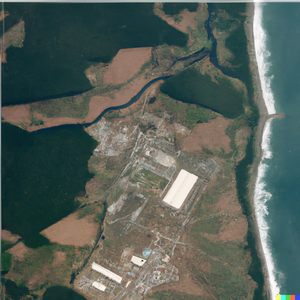
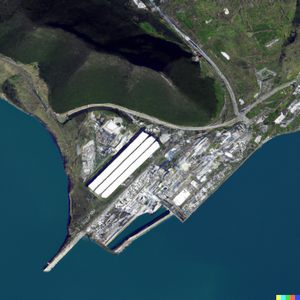
Fake Satellite Imagery (AI Generated)

Images generated by Dall-E

It won’t be long before AI-generated Fake Satellite Images can’t be distinguished from real satellite imagery, even by trained experts. In the age of elevated disinformation, this poses a risk. Bad actors can effortlessly generate and publish such content in mere minutes. Accompanied by a press release blended with real-world content this can be immensely disruptive during political discourse.

People can easily be convinced, without further evidence to back up a claim. That’s why it is so important to always be skeptical about disruptive claims and be able to find other trustworthy sources of the same information.

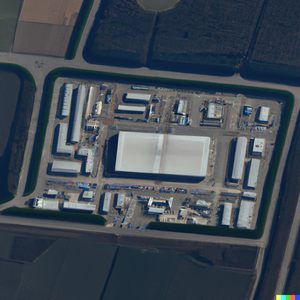
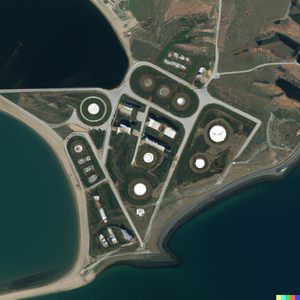
Here’s a press release written by ChatGPT. The images were generated by Dall-E. I chose to exclude references to any existing geographical or political locations. None of it happened in the real world.

Undisclosed Military Rocket Launch Facility Found Disguised as Industrial Complex.

Satellite images of an undisclosed geographical location have revealed a shocking discovery: what appeared to be an industrial complex is actually a military rocket launch facility. The images, which show silos, barracks, offices, roads, undisclosed buildings, and tracks, were obtained by an anonymous source and analyzed by experts.

According to these experts, the facility has likely been disguised as an industrial complex to avoid detection by other countries or international organizations. The location of the facility has not been revealed for security reasons, but it is believed to be located in a region of political tension and military activity.

The silos seen on the satellite images are believed to be used for storing and launching missiles, while the barracks and offices suggest that the facility is staffed by military personnel. The tracks and roads likely facilitate transportation of missiles and other equipment to and from the facility.

The discovery of this undisclosed military rocket launch facility raises questions about the intentions of the country or organization responsible for it. Some experts speculate that it may be part of a larger effort to expand military capabilities and assert power in the region.

The fact that the facility was able to remain hidden for so long underscores the importance of satellite imaging and other technologies for monitoring potential threats to national and international security. It also serves as a reminder of the ongoing need for transparency and cooperation in the international community to ensure that military activities are conducted responsibly and within the bounds of international law.

While the existence of this facility may raise concerns, it also highlights the ongoing efforts of individuals and organizations to uncover potential threats to security and to promote greater transparency and accountability in military activities. The anonymous source who provided the satellite images is a testament to the important role that individuals can play in monitoring and reporting on potential security risks.

As more information about this undisclosed military rocket launch facility becomes available, it will be important for the international community to work together to address any potential security concerns and to promote greater transparency in military activities around the world.

Open Source Geolocation

Geolocation is an often inevitable part of a much larger investigation of war crimes, criminal cases, and other unwelcome schemes assembled by humanity. This is my first geolocation case.

Tools and platforms used for this project:

Chrome: Web Browsing and YouTube HTML editing.
Yandex: reverse image search.
ChatGPT: API integration assistance.
Inkscape: creating vector map icons.
Photoshop: image and screenshots cleanup.
OpenStreetMaps: map and coordinates search.
Google, Google Maps, YouTube: many search queries.
Python + Overpass-Turbo API: scripting object search and export.

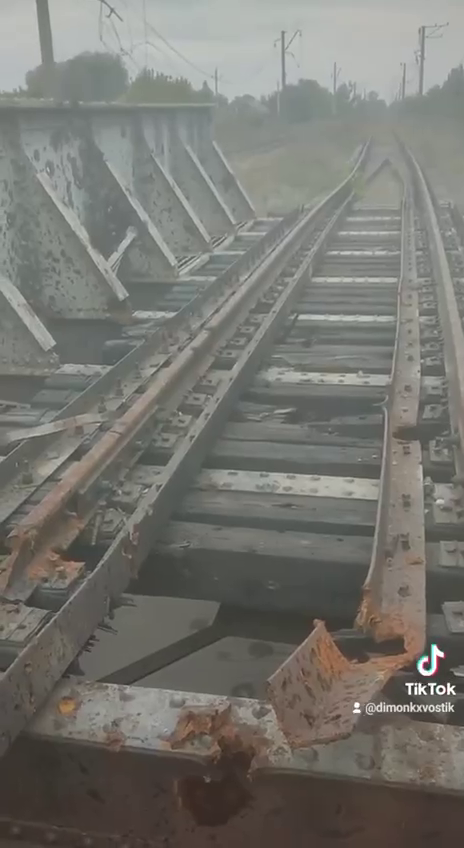
Telegram/TikTok video screenshot.

Geolocating Case 540, Railway Bridge.

Location: Kharkiv, Oblast Video
link: https://t.me/now_kharkov/27044

Source: Харьков Сейчас: новости (Kharkiv Now: news)
Comments: Railway bridge (single track)

Steps taken
There’s a single Telegram/TikTok video provided, nothing else. Watching the video point-of-view move around one way to the other, it generally points in only one track direction, however.
The following elements can be observed in the video:

  • There’s a single damaged railway track visible, and a uniformed person. Voices can be heard as well.
  • There are several poles and powerlines along the track as well as a few buildings/roofs barely visible in the distance.
  • The roofs suggest that this location might be positioned near a residential area but at this point is mere speculation.
  • There are approximately 8 bridge-supporting elements.
  • I also noticed a landmark, parallel to the tracks. Could this be another track perhaps?
  • A stream is visible below the bridge.

The description of the video says:
Последствия прилёта ракеты по Ж/Д мосту в Харьковской области (Consequences of the rocket’s arrival on the railway bridge in the Kharkiv region)


It probably makes sense to start looking around the Kharkiv region, but it would be impractical to look for railway passes manually. There are probably many and it is also unclear how large the sheer size of the area would be.

I decided to write a Python script that will search for objects within a certain radius from a chosen center coordinate on OpenStreetMaps. Since I am not up to speed on Python skills yet, and working with map APIs is relatively new to me, I kindly asked ChatGPT to help me with the code. Surely, it provided the requested script after a few iterations and corrections, one example of how AI can serve humans with purpose.
The script can be found on my Github

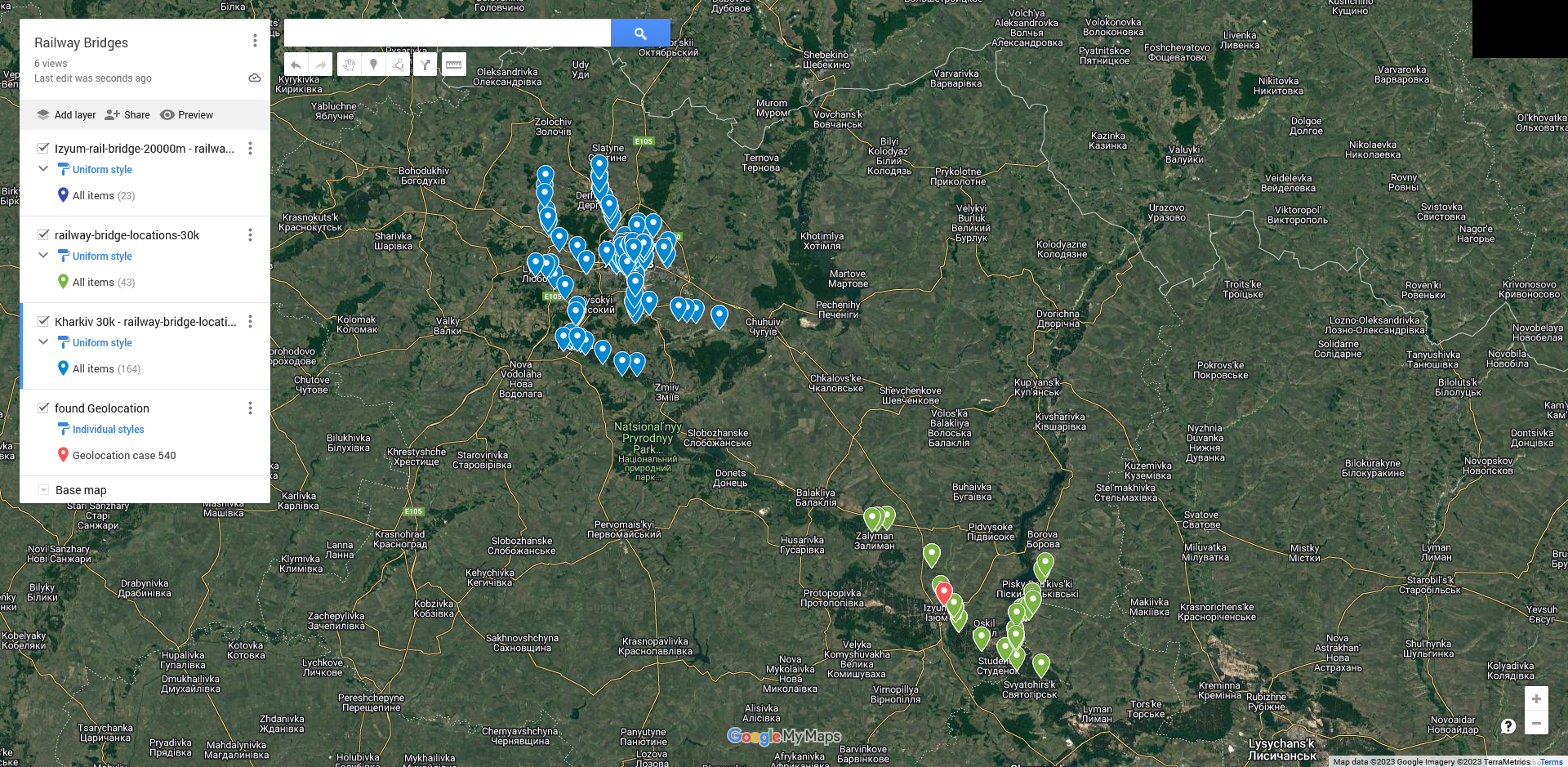
Happy with the script, I set it to work on the area centered around Kharkiv, opting for the [“bridge”][“railway”] search criteria in any layer. The script saves the found longitude/latitude coordinates to a text file.

Within a radius of 5000 meters from the center of Kharkiv, it found 65 locations and within a radius of 10000 meters, it found 93 locations meeting the search criteria. 93 locations are not too much of an inconvenience to go through, since some of these are in the same locations where two tracks temporarily split and many of these points are in line, obviously. However, compared to the sketch, the search did not yield any results.


I felt that there was information missing and I was asking myself if other footage of the area could be found online. So I took a still from the video, facing the bridge along its tracks, and subsequently uploaded this to Tineye and Yandex reverse image search.

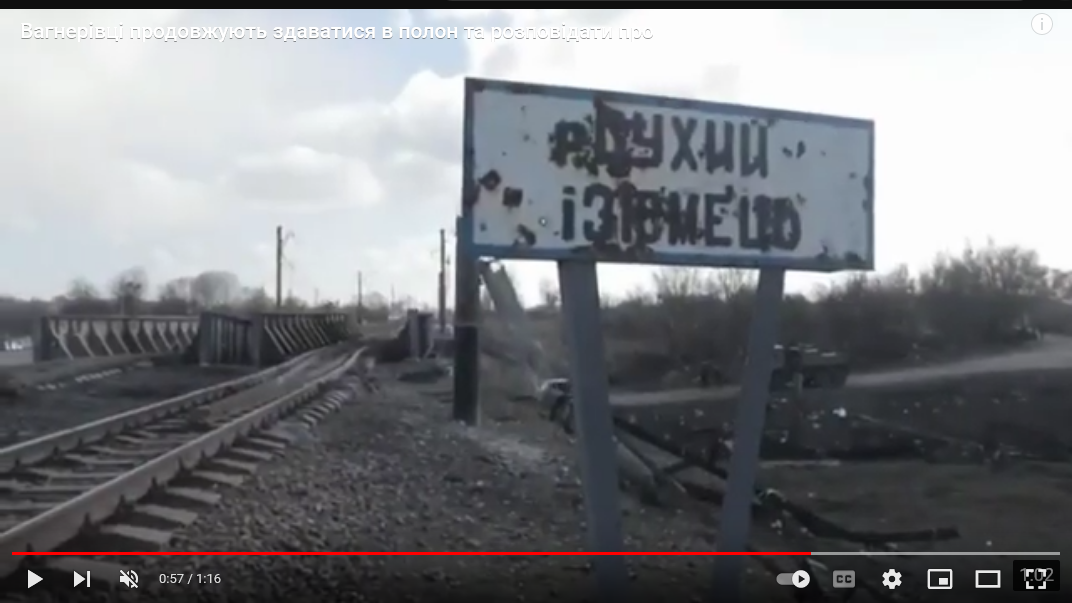
Surprisingly, Yandex provided a few interesting results. One result has the same video on TikTok and another result is of a different video on YouTube of what looked like the same location as in the original Telegram video.


Izyum Fighting continues Ukraine and Russian troops


This new video of apparently the same location as in the Telegram video contains a few new starting points.
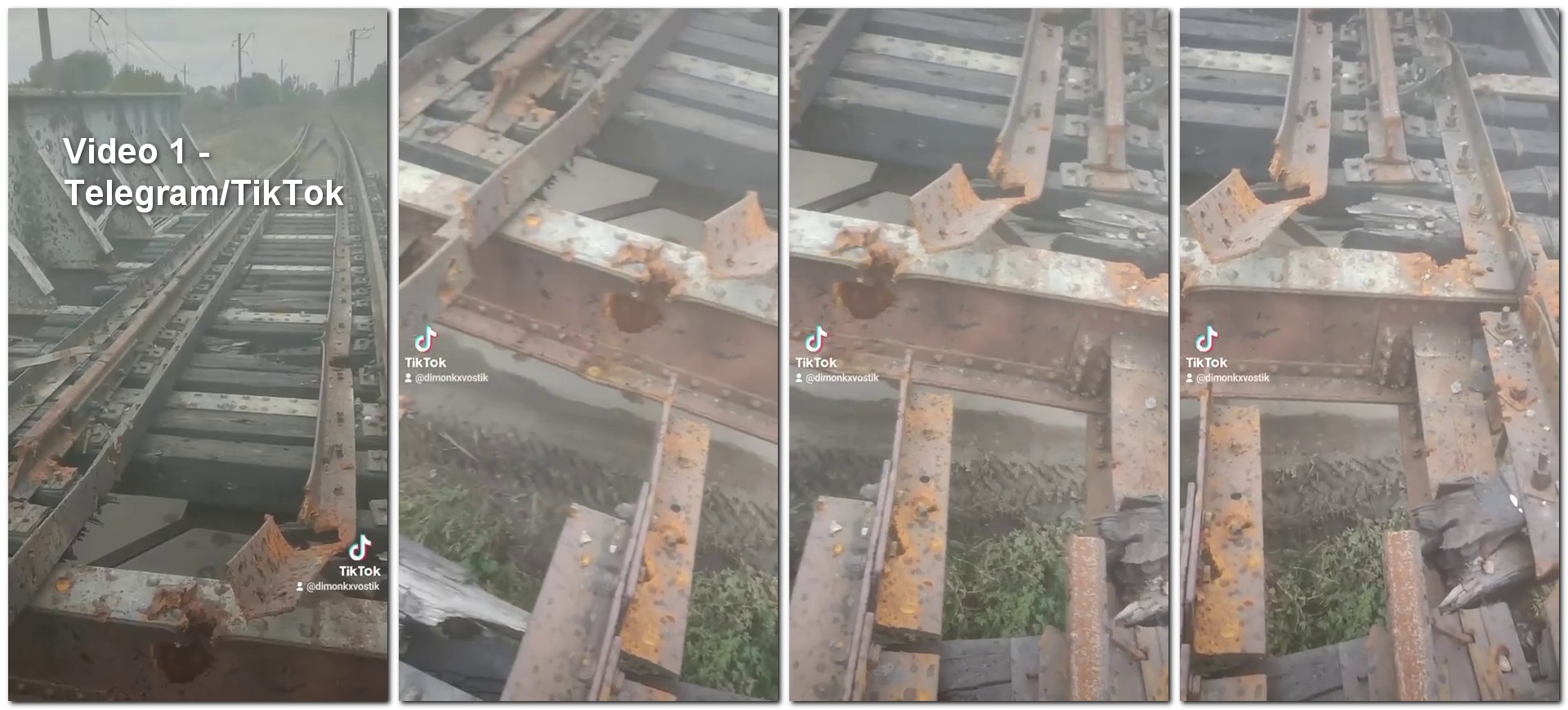
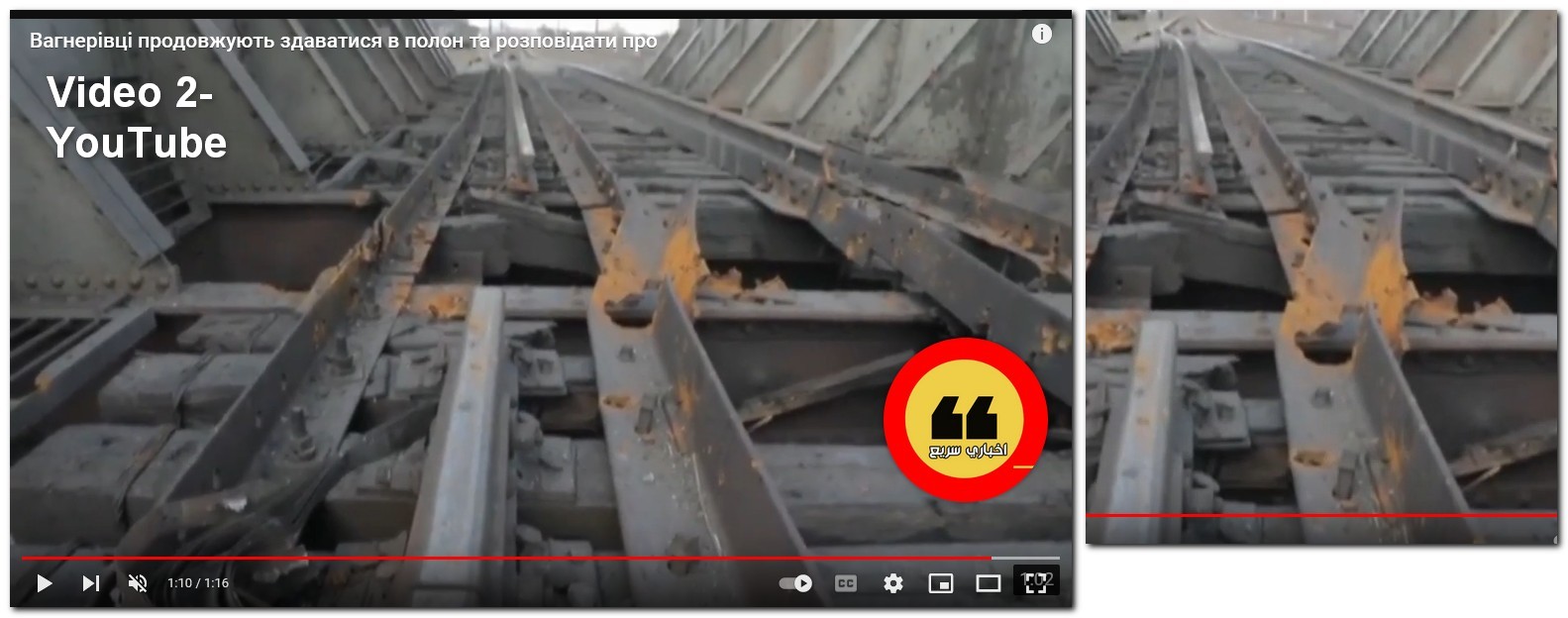
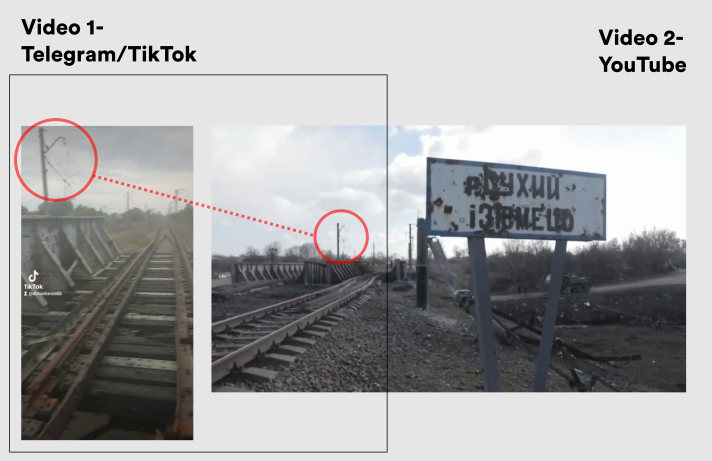
Comparing the damage of the railways in both videos confirms that actually these are of the very same bridge. Note the view direction of both videos faces opposite ways but the damage incurred is of a particular form visible in both videos. Judging by the dirt on the tracks, it follows that both videos were shot at different times. The sign inside the second video provided another clue. However, translation attempts via different online platforms didn’t yield any results (the sign is difficult to read) so I filed a translation request in Bellingcat’s Discord channel and asked a friend.


Left: Still from the original Telegram(TikTok). Right: YouTube

Also visible but maybe less convincing, is the damage to poles and power lines in the distance.


The description of the YouTube footage mentions the city of Izyum. This led me to try the Python script once again, around the center of Izyum. The results did not produce a confirmed coordinate however there was one location that needed further investigation. This location seems to match the previously drawn sketch and the infrastructure seen in the footage as well.


Interestingly, the YouTube video revealed persons and vehicles on a road beside the bridge. It appears as if there is both a road and a watercourse of some sort underneath the bridge. I better doublecheck all previously found locations for both ‘railway bridge’ and ‘road’ and ‘waterway’.


Around the same time, a kind user in the Discord channel answers my translation request.
‘Сухий ізюмецо’ means dry Izyumetso, Google maps mention Sukhyi Izyumets’ River. I quickly check the map for other railway crossings of the Izyumets’ River but the result reveals none, at least nothing remotely similar to the bridge we are investigating.

Conclusion
The combination of the following clues is what led me to believe the found coordinates for this case are actually of the location seen in the Telegram video.

  • The particular design of the bridge is seen in both videos.
  • The particular damage to the rails is seen in both videos.
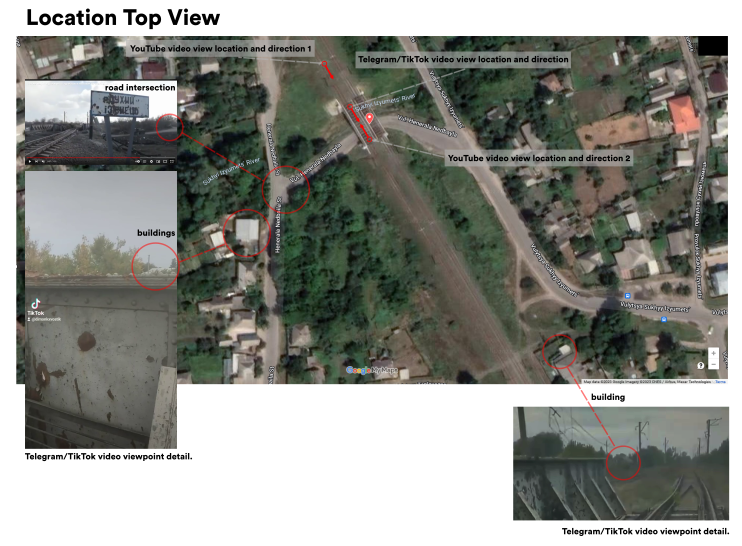
  • The angle of view toward the buildings seems to correspond with their respective locations on the map.
  • The curve and intersection on the road in the YouTube video seem to correspond with the road on the map.
  • The damage to poles and power lines is seen in both videos.
  • The sign in front of the bridge seems to correspond with the names seen on both OpenStreetView and Google Maps.


Found Location
All clues combined, the found coordinates near Izyum appear to be the most likely location as seen in the initial Telegram video.
Longitude: 49.2274 Latitude: 37.28754


View Larger Map

Sources:
Original video: https://t.me/now_kharkov/27044
YouTube video: https://youtu.be/bf4I78vQ4Gk?t=55

  • Page 1
  • Page 2
  • Go to Next Page »